
The “Best in Show” badge is awarded to blogs and news sites that provide their visitors with high quality pet…

The best food to feed your cat

A dog ID tag is your best bet for having a lost pet returned quickly. With so many types to…

Litter training and more

Looking for that dog-inspired special something for a loved one? Here’s our take on what we’d like to receive–and what…

Dog supplies - reviews and recommendations

Finding the right purebred puppy

Dog supplies - reviews and recommendations
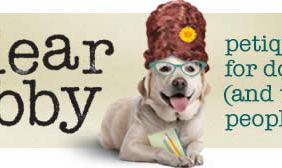
Dear Labby, I found my little Whippet, Henry, on the side of the road two years ago. He loves to…

In the dark morning hours of May 3, a freight engineer quickly hit the brakes when he noticed a dog…

Although still a puppy, Bradley is a calm and composed little fellow. He was found, along with his littermates, early…

Here at DogTime, we’re thrilled to be part of Bark For Life, the American Cancer Society’s non-competitive fundraising walk this…


